Motorized Roll-Up Screens
Motorized is generally the better fit on public buildings.
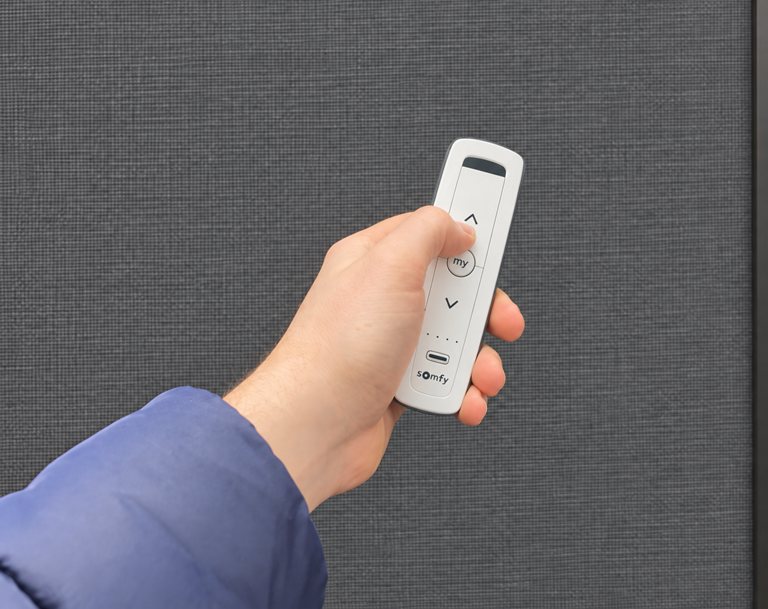
- Somfy radio remote control
- Individual or grouped screen control
- TaHoma app with a compatible hub
- 10-year warranty, Somfy motor included
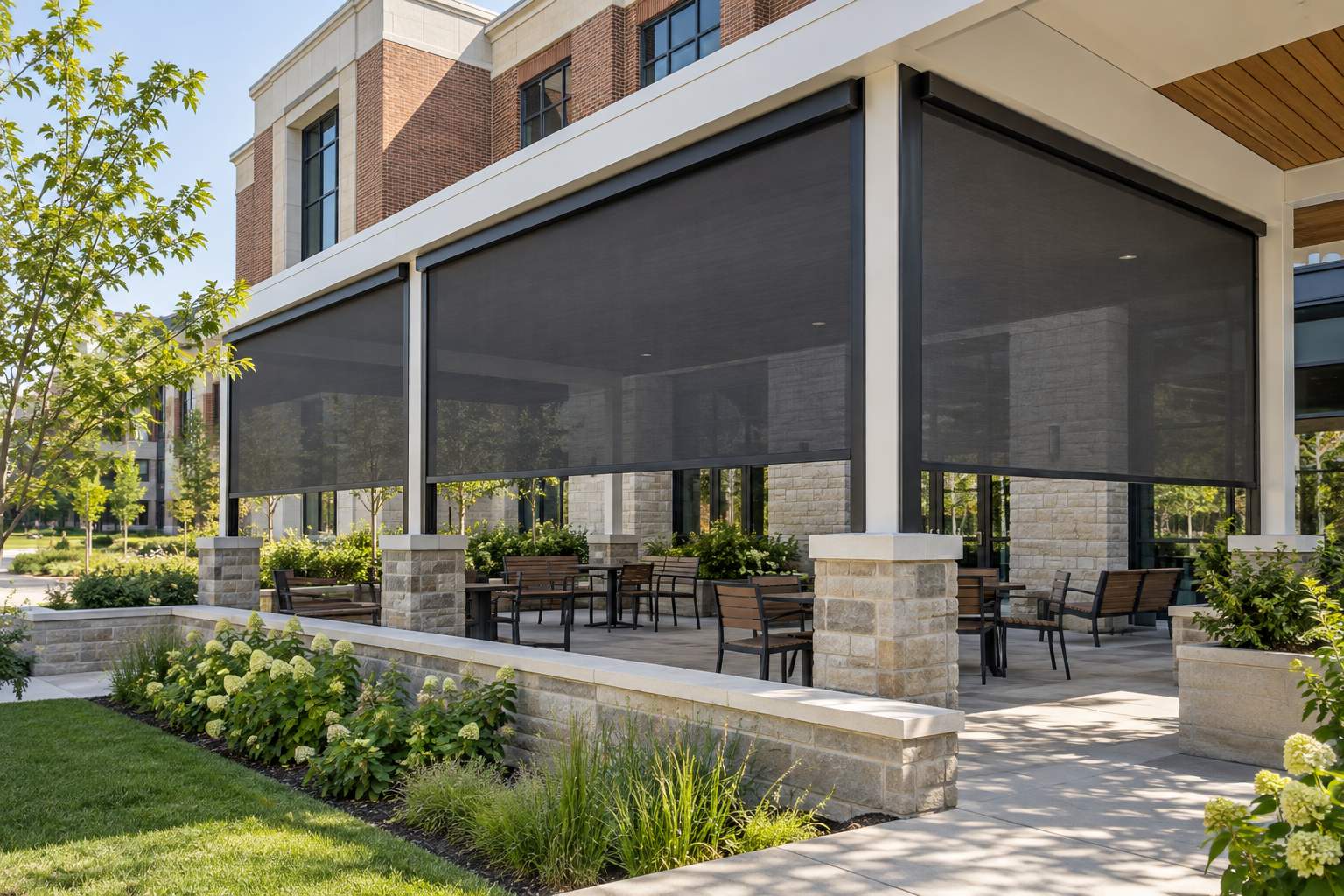
Retractable screens for municipal and public building outdoor areas - sun, wind and exposure managed, with the building's open look preserved when retracted.
Government privacy screens are retractable roll-up fabric screens for municipal and public building outdoor areas. They manage sun, wind and exposure for staff and visitors without a permanent barrier, and retract when the space should stay open. Every screen is custom-made, Somfy-motorized and professionally installed across Toronto and the GTA.
Updated
Civic buildings often present hard, open frontages with little natural shelter. Screening the exposed side is what makes an outdoor area usable rather than ornamental.
Staff break areas and visitor seating on a public site are frequently overlooked from the street or the car park. A screen provides separation without walling the space off.
Public outdoor spaces host different uses across a week. A retractable system keeps the area adjustable rather than fixing it to one configuration permanently.
Motorized grouped control means the space is set centrally by the facilities team rather than depending on whoever happens to be using it.
Find Your Layout
Who uses the space, and when, decides the layout as much as the building geometry does.
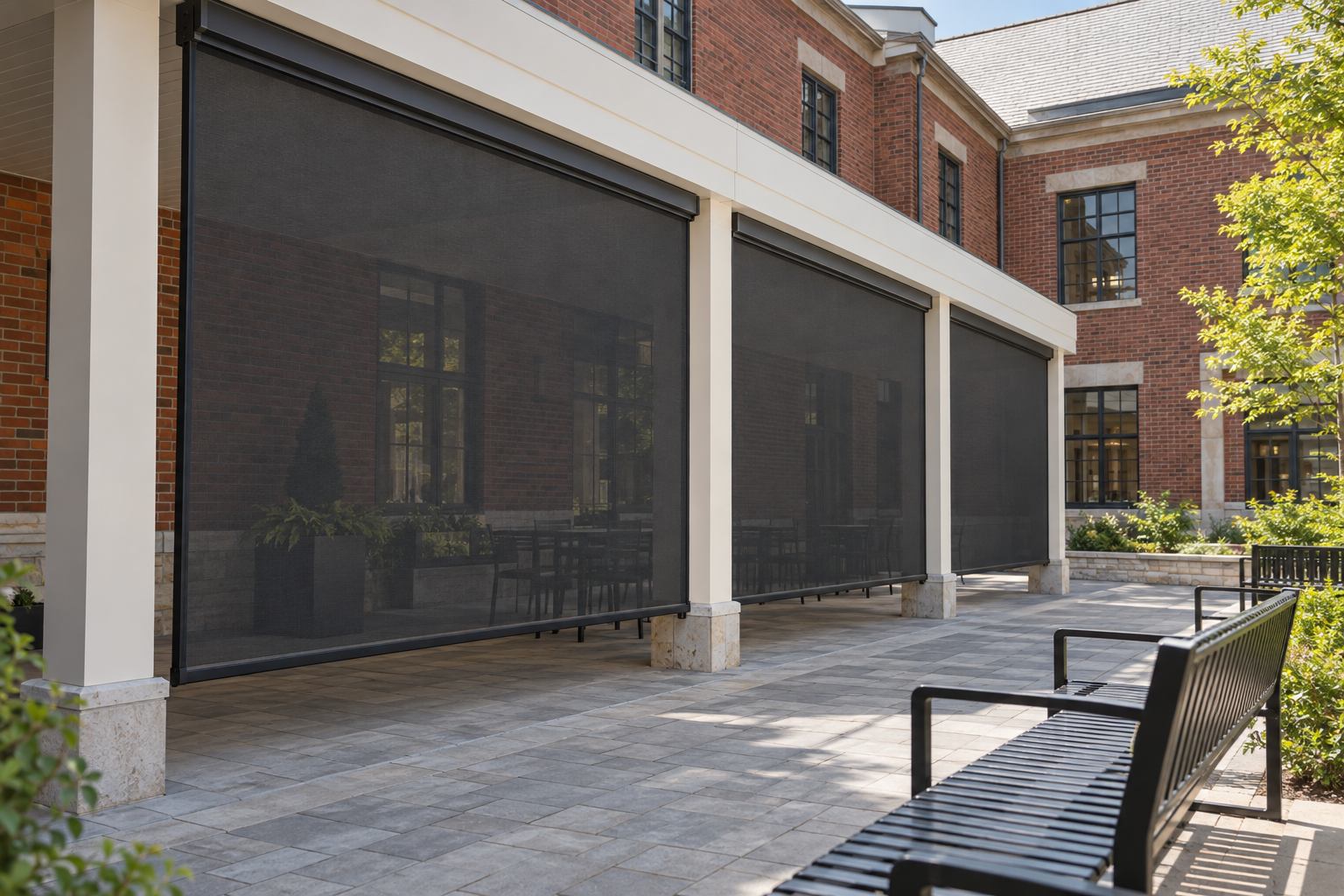 Most Common
A run along the exposed side of a courtyard or internal terrace.
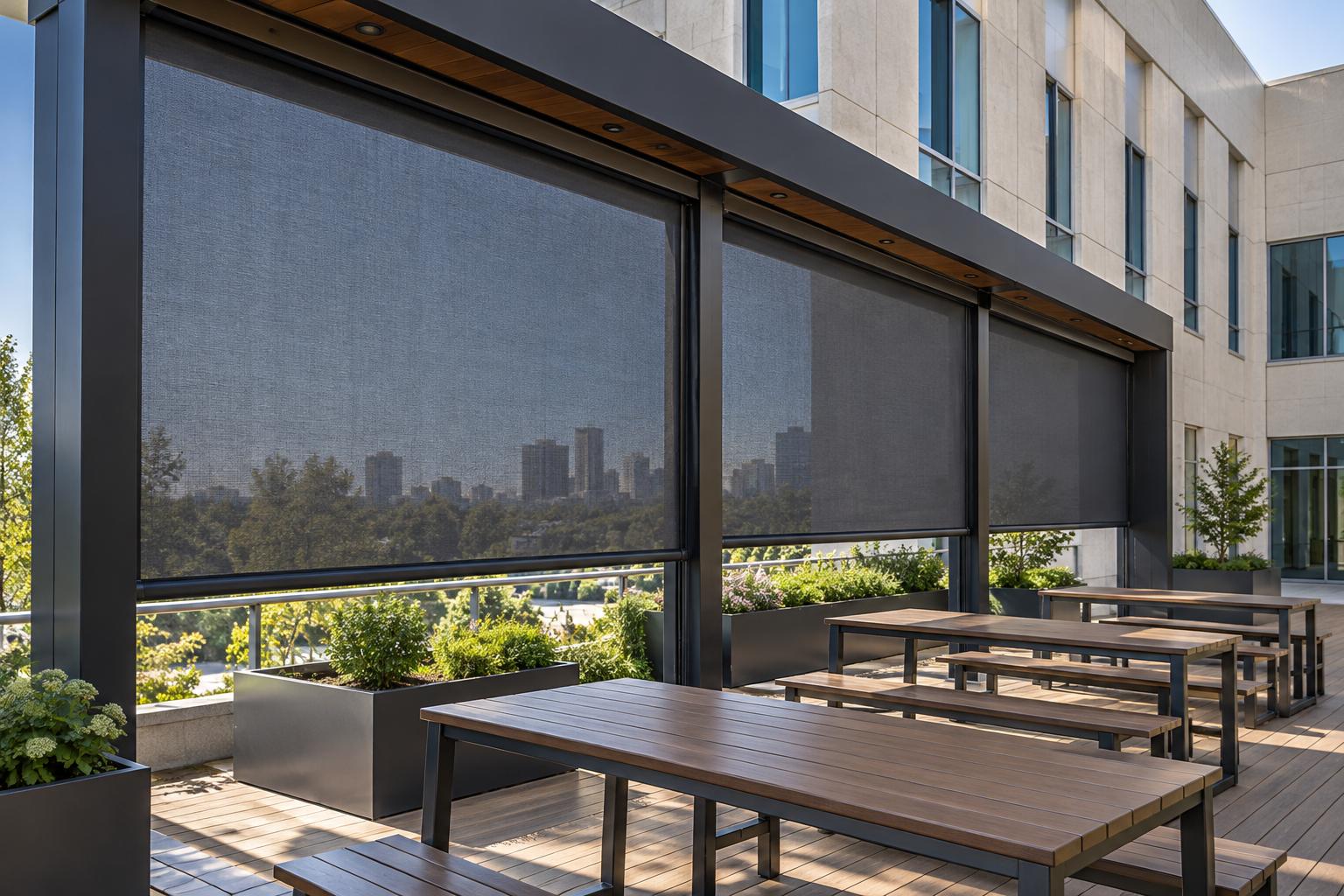
A separately screened staff break area, often needing more privacy than the visitor-facing spaces.
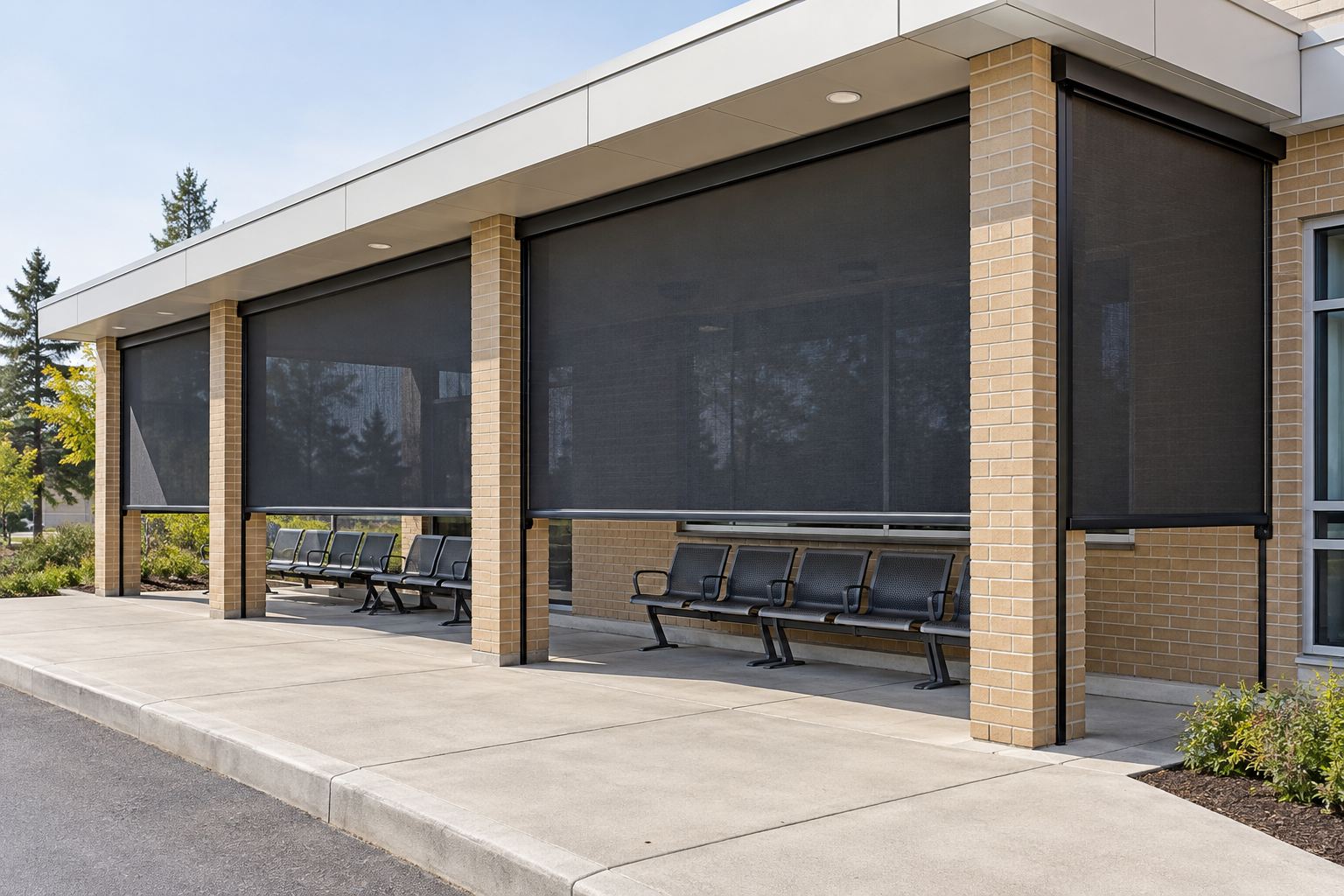
Sheltered seating near an entrance where visitors queue or wait.
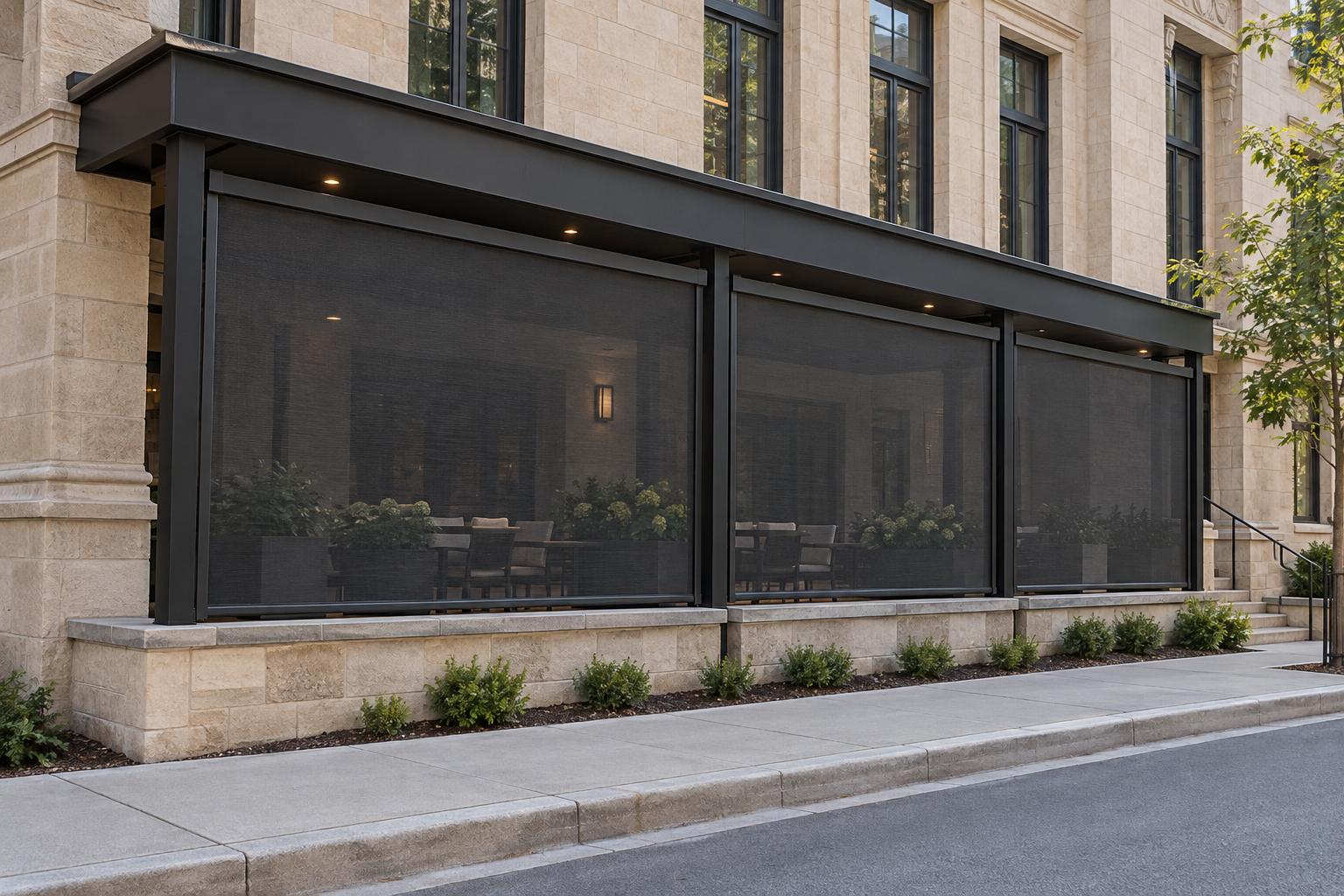
Screens on the face bordering a street or car park, giving the area a defined boundary during use and returning the frontage to fully open the rest of the time.
Every screen runs on a Somfy motor, so it raises and lowers at the touch of a button.
Motorized is generally the better fit on public buildings.
Prefer a hand crank? Manual operation is available on request for small, easy-to-reach openings. Manual vs motorized
Choose the right openness level for privacy, sun control and view.
Measured to your courtyard, terrace or entrance area
Genuine Somfy motors with full factory warranty
Central or grouped operation, timers optional
Details and specs for tender and procurement
Screens sit in the openings of a courtyard, terrace or sheltered entrance area and drop only where conditions require. Facilities can set the space centrally.
Drop the screen on the exposed or sun-facing side.
Cut glare and wind so staff and visitors can use the area.
Screen the sight line from street, car park or neighbouring property.
Retract and restore the building's open frontage.
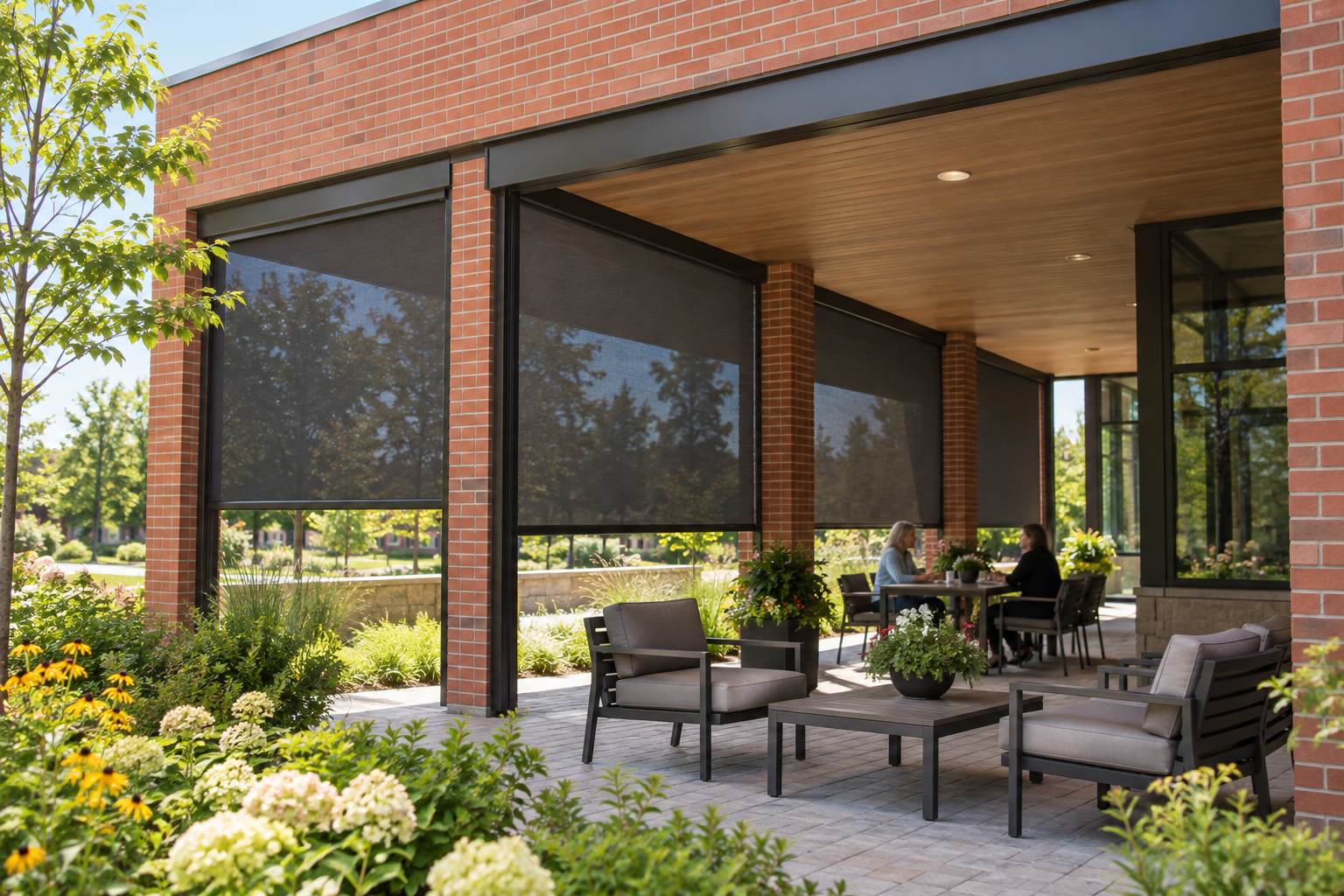
Specified for continuous exposure and daily operation, with the limits stated plainly.
Marine-grade anodized or powder-coated aluminium resists corrosion through freeze-thaw cycles on an exposed civic site.
Tensioned side channels hold the fabric steady. Capacity follows opening size and fabric openness - commonly around 160 km/h at larger sizes, with sensors on exposed elevations.
Depending on the fabric chosen, screens block up to 99% of UV on frontages with no natural shade.
Commercial-rated hardware and Somfy motors are built for operating every working day of the season.
PVC-coated polyester sheds water rather than soaking through, and the fabrics are built for continuous exterior exposure.
Surface-mounted hardware can be removed later, which matters on a heritage or leased civic building.
Toronto & the GTA
Municipal and public buildings across Toronto and the GTA frequently have outdoor areas serving staff, visitors, or both - a courtyard, a staff terrace, a sheltered entrance seating area. They are often underused for the same environmental reasons as any commercial terrace.
Retractable screens are a practical way to make those areas more comfortable and better controlled without a heavy permanent barrier. When retracted, the building keeps the clean, open appearance a civic frontage usually needs.
See Common Configurations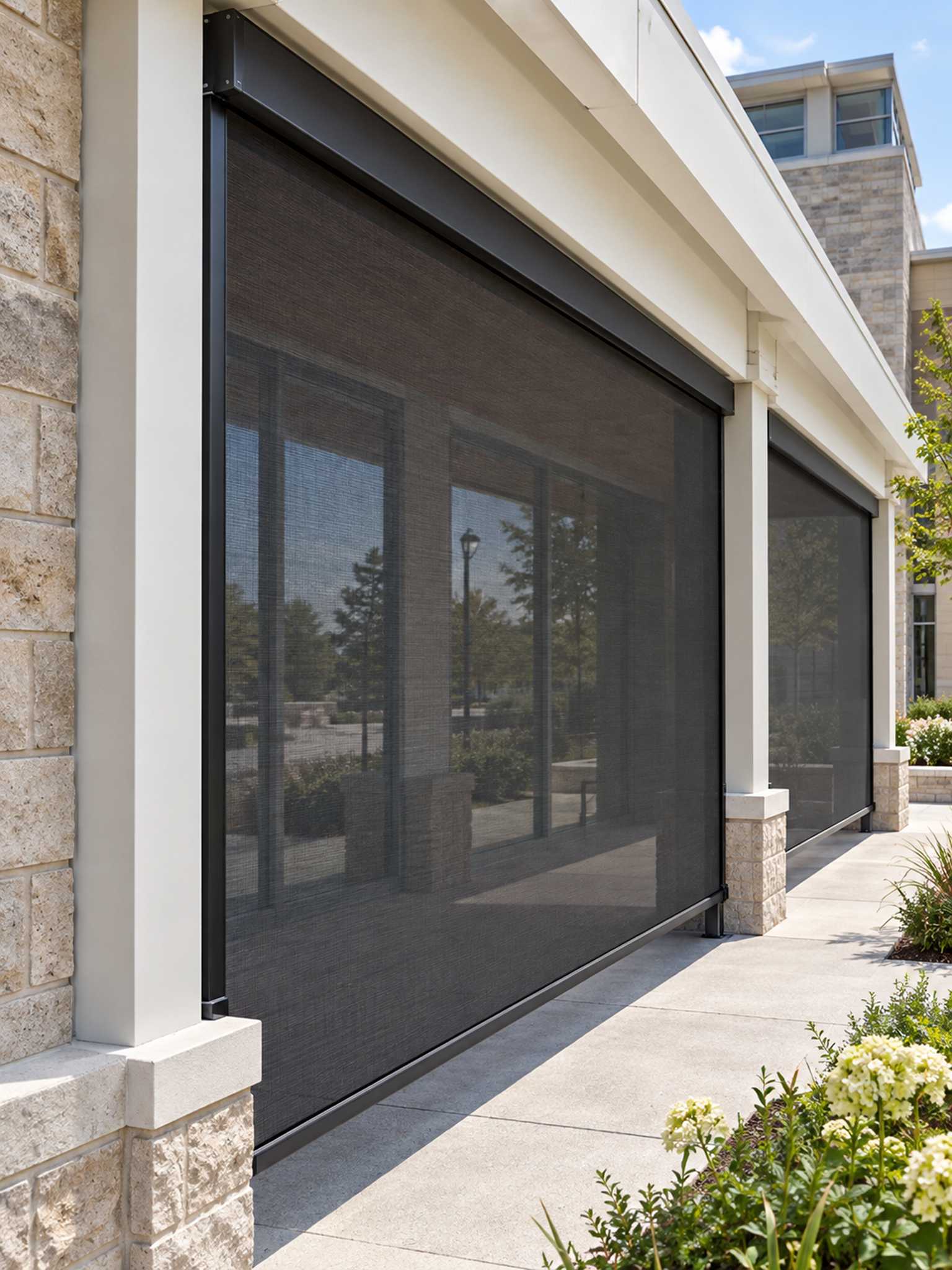
Retracted, the system is a slim horizontal profile and two channel lines - specified so a civic building keeps the clean, open appearance it was designed with.
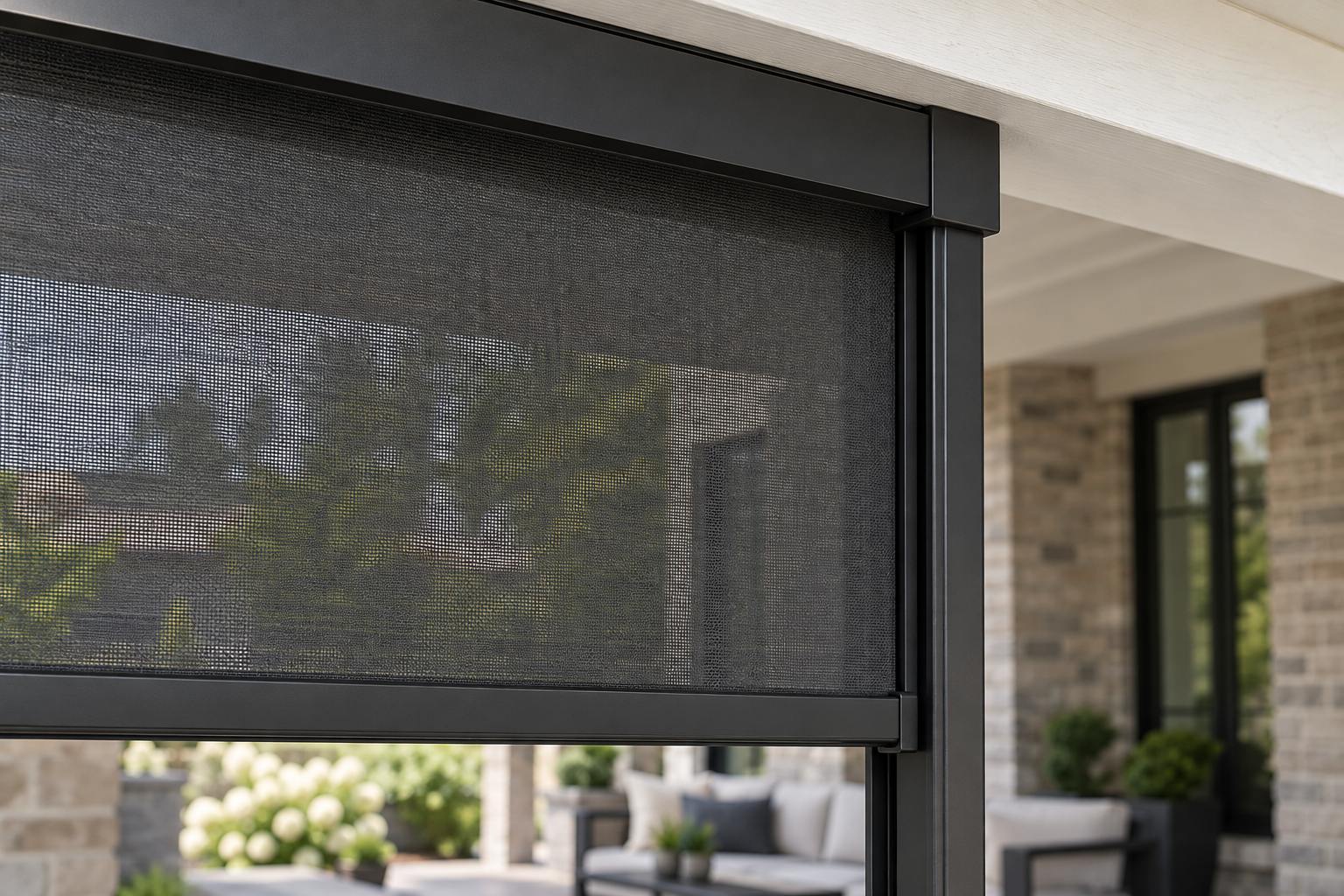
Stores and protects the fabric when the area is fully open.
Hold the fabric under tension and keep it tracking cleanly.
Keeps the screen level and stable across a long run.
Match the housing, side channels and bottom bar to the building envelope - often a condition of a heritage or design review. Hardware finishes are selected separately from fabric colour.
Backed by a 10-Year Manufacturer Warranty
Every system carries a 10-year manufacturer warranty, including the Somfy motor supplied with it, and our installation workmanship is covered for 1 year. Both are provided in writing.
Public sector projects carry procurement, heritage and access requirements that shape the work as much as the structure does.
Public sector purchases run through a formal procurement process with its own documentation requirements. We provide mounting details, material specifications, warranty terms and finish options in a form that supports a tender or purchase submission, and are used to working with facilities managers and project teams rather than a single decision maker.
Older municipal buildings are frequently subject to heritage designation or design review, and anything altering the exterior appearance needs approval before it proceeds. The system being surface-mounted and fully reversible is usually the argument that carries, and matching the hardware finish to the existing envelope is normally a condition rather than a preference.
Public buildings stay open to visitors, so work is scheduled around opening hours and often carried out early or outside them. Sites with security requirements add contractor screening, sign-in, and escorted access. We establish all of that at the site review so it appears in the quote rather than as a variation during the works.
Municipal buildings span a wide range of ages and construction types - solid masonry, cavity brick, precast concrete, and modern curtain walling all behave differently under fixing. We verify the substrate at each opening rather than specifying once for a whole elevation, because assuming consistency across an older civic building is how installations fail years later.
Each fabric performs differently across privacy, view-through, airflow, and UV blocking. We help you choose the right option for the way the space is used.
See how each fabric looks on a pergola →
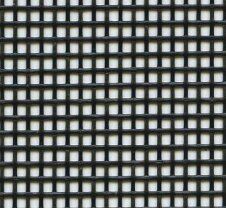
Heavy-duty insect mesh with maximum airflow. Neighbours can see through clearly, so privacy is not a feature of this fabric.
45% Openness
Recommended:
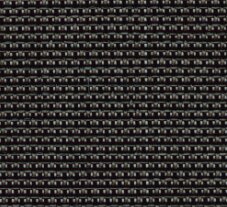
Balanced solar screen that cuts heat and glare while preserving reasonable outward visibility from inside the space.
10% Openness
Recommended:
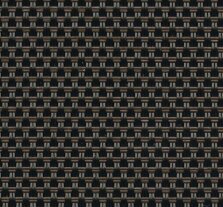
Our most popular fabric with solid daytime privacy, excellent UV blocking, and a comfortable filtered-light quality inside.
5% Openness
Recommended:
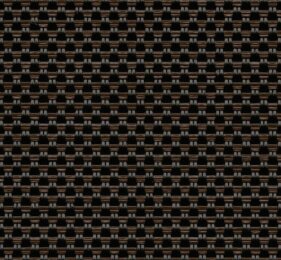
Near-opaque daytime privacy with softly diffused interior light. Neighbours cannot make out occupants or furnishings.
1% Openness
Recommended:
Fully opaque fabric that provides complete visual blackout and total weather enclosure from either side, day or night.
0% Openness
Recommended:
Near-clear enclosure that preserves your view while blocking weather and UV. Fire rated.
0% Openness
Recommended:
Municipal offices, community and recreation centres, libraries, and public service buildings with staff terraces, courtyards, or sheltered visitor seating. The requirement is consistent across them: an outdoor area that exists but is uncomfortable to use for much of the day.
No. A retractable screen provides adjustable shelter and separation, not a sealed enclosure. That is usually the point on a civic building - a permanent barrier changes the frontage and the character of the space, while a screen that retracts leaves the architecture as it was.
Generally yes. Public outdoor space has no single owner, so a manual system that depends on someone taking responsibility each day tends not to be operated consistently.
Grouped motorized control with timers and a wind sensor lets facilities set the space centrally and lets the system protect itself outside working hours.
Yes, and it is the normal case. Municipal buildings span a wide range of ages and construction types, so we verify the mounting substrate at each opening rather than specifying once across an elevation. Where an opening has no usable anchor, adding a post or header becomes part of the scope and is identified at the site review.
Yes. We provide mounting details, material specifications, warranty terms and hardware finish options in a form suited to a tender or purchase submission, and we are used to working with facilities managers and project teams through a formal procurement process.
Older municipal buildings are often subject to heritage designation or design review, and exterior changes need approval before proceeding. We supply the documentation for that submission.
The system being surface-mounted and fully reversible is usually the point that carries the case, and matching the hardware finish to the existing envelope is normally treated as a condition rather than an option.
In most cases, yes. Work is scheduled around public opening hours and often carried out early or outside them. Sites with security requirements add contractor screening, sign-in and escorted access, all of which we establish at the site review so it is reflected in the quote rather than raised during the works.
The hardware is powder-coated or anodized aluminium rated for commercial use and continuous exterior exposure, and the fabrics are UV-stabilized. Somfy motors are rated for a high number of operating cycles.
The rail system and weighted bottom bar keep the screen in place, so it holds its shade and privacy line rather than flapping in the opening. Capacity follows the surface area of the opening and the openness of the fabric - a more open weave passes air through instead of catching it, which is why it performs better in harsh weather. Commonly that is around 160 km/h on the larger openings and more on smaller ones. On a site that is unattended outside working hours we specify a wind sensor, which retracts the system automatically and preserves the material.
The system is surface-mounted with anchors appropriate to the substrate, so the work is limited to the fastener points and nothing structural is modified. The hardware can be removed later and the fixings made good, which is the basis on which most heritage and design reviews accept it.
Every system carries a 10-year manufacturer warranty, which includes the Somfy motor supplied with it, and our installation workmanship is covered for 1 year. Both are provided in writing.
Tell us which spaces underperform and what your approval process requires, and we will provide the specification and quote to suit.