What to Know Before You Decide
There is no single "best" privacy screen fabric. The right choice depends entirely on which problem matters most for the space — airflow and insects, afternoon heat and glare, daytime privacy from close neighbours, complete visual blackout, or preserving a view while blocking wind and rain.
Privacy Shade offers six fabrics, each engineered for a different primary use. The openness factor — the percentage of open space in the weave — is the single best number to anchor the decision. This guide walks through all six, ordered from the most open to the most closed.
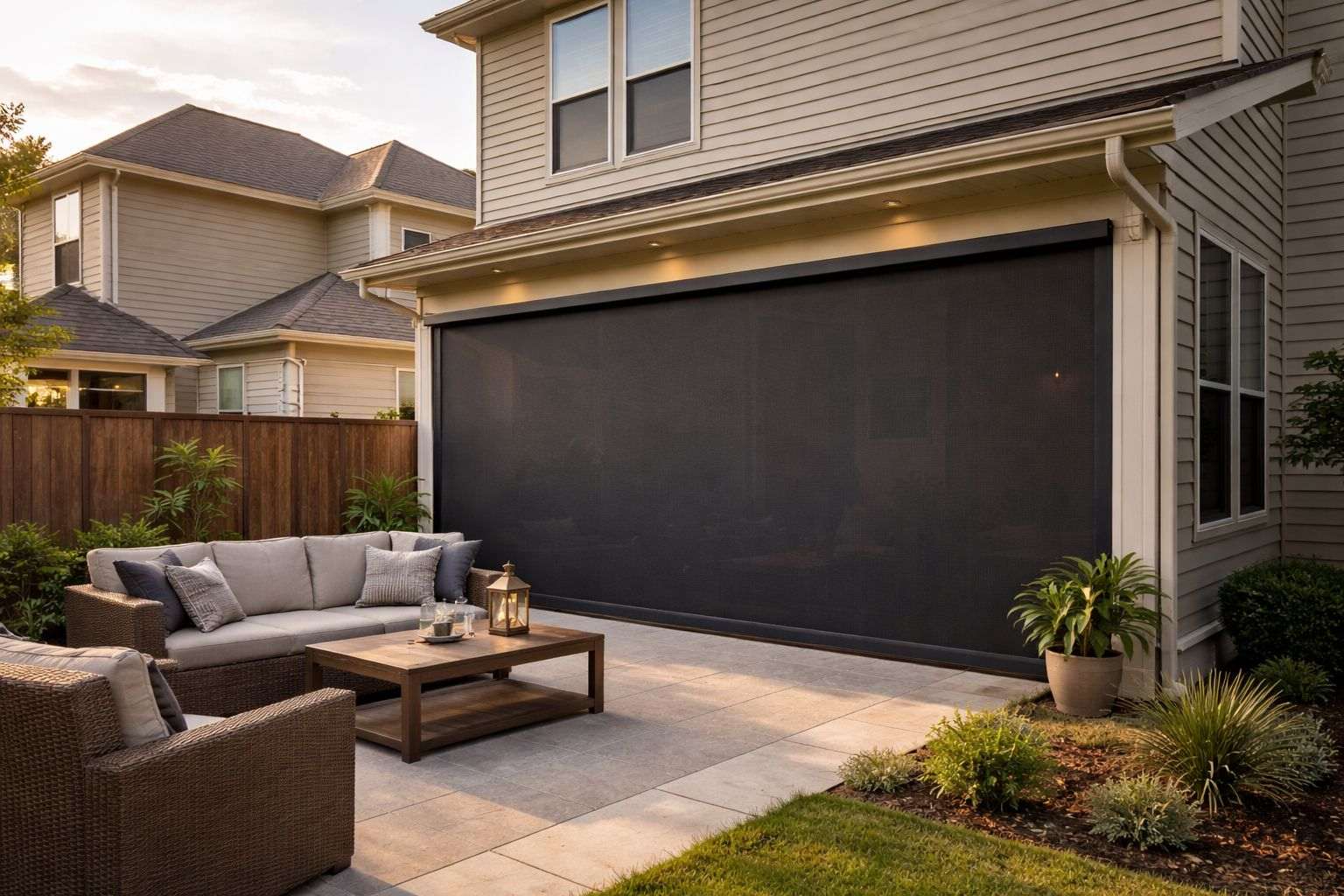
The one number that matters most: openness factor
Openness factor is the percentage of open space between the woven fibres of the fabric. A 45% openness factor means almost half the fabric surface is open — lots of airflow and view-through. A 1% openness factor is nearly solid — near-opaque daytime privacy and almost no airflow.
Every other fabric property — privacy level, UV blocking, heat control, outward visibility, airflow — tracks with openness factor. Pick the right openness range first, then refine by colour and specific product.
Decision framework: start with your primary concern
Most buyers try to optimize for several things at once and end up over-specifying. Start by ranking what you actually care about most.
- Primary concern is insects or airflow → 40% or higher openness (TuffScreen)
- Primary concern is heat, glare, and UV → 5% to 10% openness (SunTex 90 or SunTex 95)
- Primary concern is daytime privacy with some light and airflow → 5% openness (SunTex 95)
- Primary concern is maximum daytime privacy from close neighbours → 1% openness (SheerWeave 4800)
- Primary concern is complete day and night privacy or full weather enclosure → 0% openness opaque (Soltis Proof 502)
- Primary concern is preserving a view while blocking wind and rain → clear vinyl (PanoramaFR)
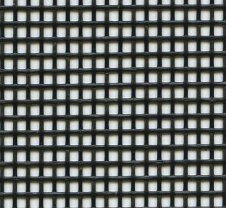
TuffScreen: 45% openness, insect and weather protection
TuffScreen is a heavy-duty vinyl-coated polyester mesh built primarily for insect control, airflow, and weather protection. The open weave keeps air moving freely and lets in the most light of any fabric in the lineup.
Privacy is not a feature of TuffScreen. Neighbours can see through it clearly, so this fabric is only the right choice when bugs, ventilation, or light weather protection are the actual problem. The common use cases are screened-in porches, cottage decks, and gazebos.
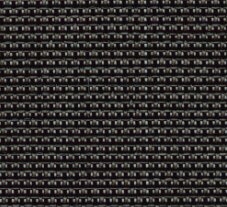
SunTex 90: 10% openness, balanced solar control
SunTex 90 is a solar screen fabric with 10% openness factor — balanced between view retention and sun control. It blocks roughly 90% of UV radiation and reduces heat gain significantly while keeping enough visibility for the space to still feel open.
This is the better pick when heat and glare are the main problem but the owner still wants to see out clearly. Sun-exposed patios, west-facing decks, and open backyards with strong afternoon exposure are the most common use cases. For the specific decision around afternoon sun, see our west-facing patio fabric guide.
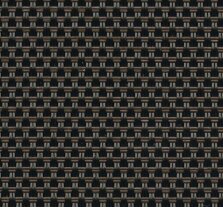
SunTex 95: 5% openness, the most popular all-around fabric
SunTex 95 is the fabric most residential buyers end up on. At 5% openness, it delivers strong daytime privacy, about 95% UV blockage, and a filtered-light interior feel without going fully opaque. The view out is reduced but not eliminated.
It is the default recommendation for most backyard patios, pergolas, and residential decks because it handles privacy, heat, glare, and light at the same time without forcing a compromise on any one of them.
SheerWeave 4800: 1% openness, maximum daytime privacy
SheerWeave 4800 is a dense weave at 1% openness — near-opaque from the outside during the day. Neighbours cannot make out occupants or furnishings, and the fabric diffuses interior light softly rather than blocking it entirely.
The common use cases are tight urban lots, condo balconies, townhouse backyards with close rear property lines, and street-facing porches where daytime privacy is the primary concern. Airflow is minimal at this density, so it is not the right choice for spaces that also need to stay breezy.
Soltis Proof 502: 0% openness, full blackout and weather enclosure
Soltis Proof 502 is a fully opaque PVC-coated fabric at 0% openness. It provides complete visual blackout day or night, blocks 100% of UV, and forms a stronger weather barrier than any mesh fabric in the lineup.
It is the right choice when day and night privacy both matter equally, or when the project needs to function as a seasonal weather enclosure for a restaurant patio or covered commercial space. You trade the outward view entirely for maximum privacy and weather protection.
PanoramaFR: clear vinyl enclosure with view preserved
PanoramaFR is a different category from the mesh fabrics — a near-clear fire-rated PVC film that looks closer to a flexible window than a screen. It preserves the view almost completely while blocking wind, rain, and roughly 98% of UV.
It is the right choice when the view is the primary asset of the space — waterfront properties, scenic backyards, rooftop patios with city views — and the problem is weather rather than privacy. The fire rating also makes it the default option for commercial applications that need to meet fire code for outdoor enclosures.
Matching fabric to common scenarios
Most real projects map cleanly to one of these scenarios. If your situation is not listed here, it probably sits somewhere between two of them — and the right call is usually the fabric with better privacy rather than better view, because screens that are too open rarely get fixed after the fact.
- Close-neighbour backyard patio or deck → SunTex 95 in charcoal
- West-facing patio that overheats in the afternoon → SunTex 95 or SunTex 90 in a dark colour
- Condo or apartment balcony overlooking a street → SheerWeave 4800
- Cottage deck with bug problems → TuffScreen
- Urban townhouse with tight rear sightlines → SheerWeave 4800
- Commercial restaurant patio used year-round → Soltis Proof 502 or PanoramaFR depending on view needs
- Waterfront or ravine-view backyard → PanoramaFR
- Pergola that needs all-season flexibility → SunTex 95 for summer + PanoramaFR if winterizing the space
Colour matters almost as much as openness
Within the same openness factor, darker colours outperform lighter ones for both heat control and outward visibility. A charcoal 5% openness fabric will feel cooler and look cleaner from inside than a beige or white fabric at the same openness.
This is because darker fibres absorb more radiation at the surface rather than allowing it to pass through, and less glare reflects back into the eye from a dark screen surface. Unless the home's exterior strongly pushes toward a lighter colour, darker is usually the right choice — especially for west- and south-facing exposures.